Hey! Ready to sell online? We'll take it step by step, from first product to first payment. 📸
| Quick answer: start with one channel you can run properly; a small store done well outsells a big store abandoned after three weeks. |
The fastest way to learn what sells online in South Africa is to sell something this week 🛒. Not to plan a brand, not to argue about names — to list three products, send the link to ten people and watch what happens. Everything in this guide is sequencing around that first move.

Stage 1: Prove People Want It
Start where the buyers already are: marketplaces and social platforms. You pay commission per sale instead of monthly fees, and you learn the two things that matter — which products move, and what buyers ask before they commit. Run this stage for a month or two and keep every question you are asked; those questions become your product pages.
Stage 2: Your Own Store
| Decision | Typical cost | Rule of thumb |
|---|---|---|
| Platform or custom build | R2,000 – R50,000+ | Platform first, custom once volume justifies it |
| Payment gateway | About 2% – 3.5% per transaction | Fees are a cost of sales, not a surprise |
| Hosting / subscription | R80 – R1,500 per month | Pick what you can afford on a slow month |
| Domain | R100 – R300 per year | In your own name, always |
Stage 3: Delivery That Does Not Embarrass You 🚚
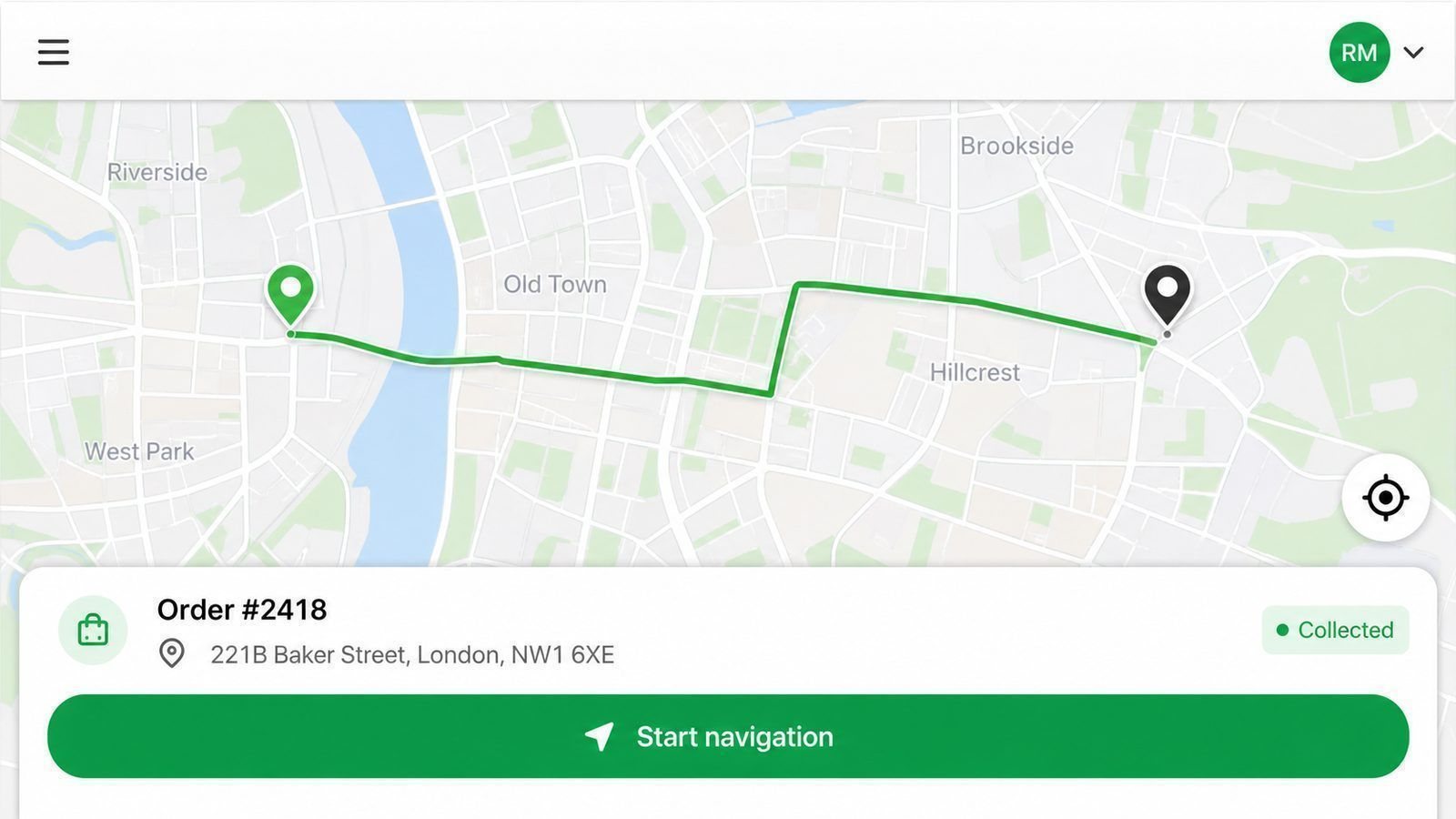
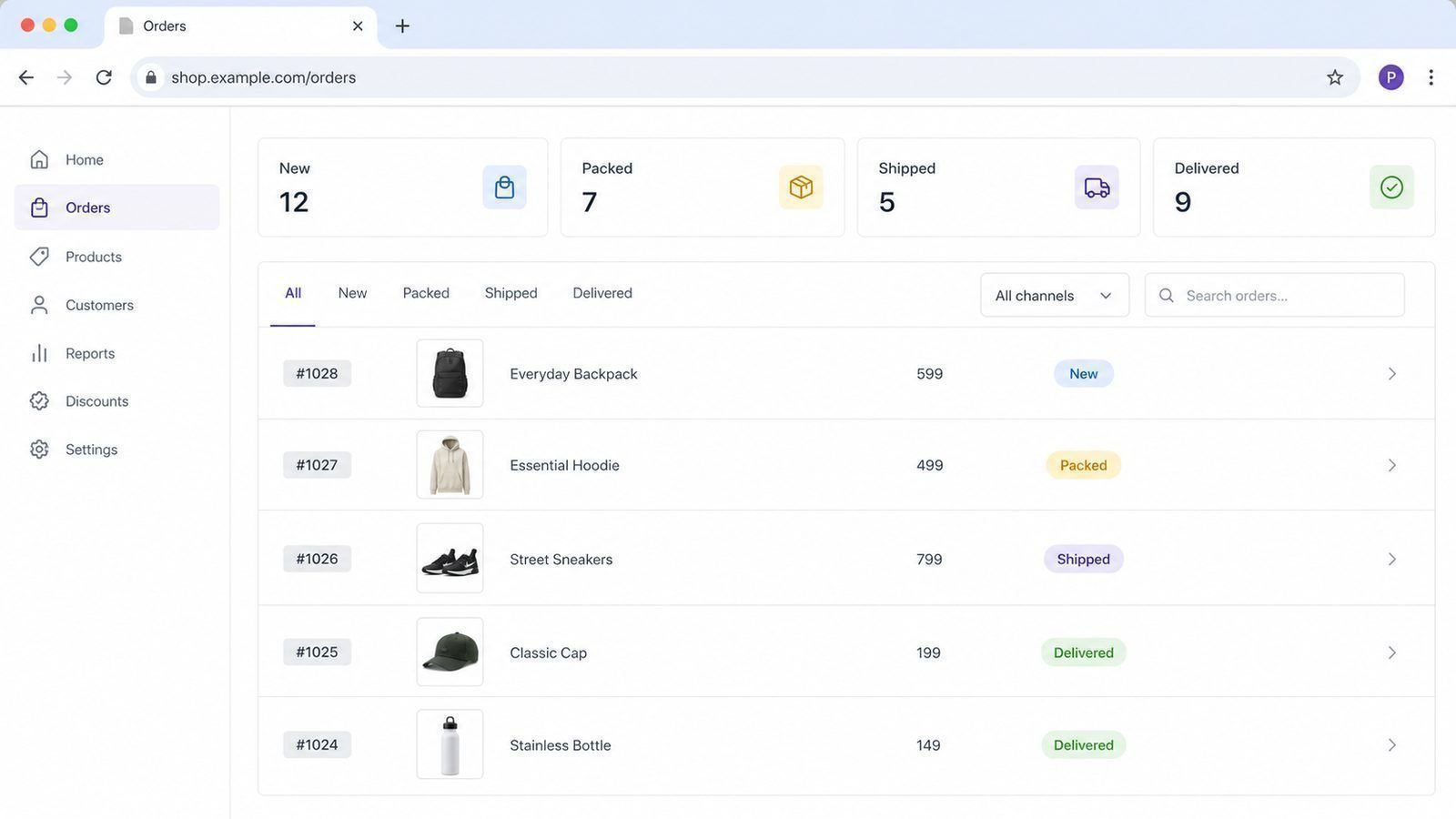
Open a courier account before you need it. Work out locker-to-door versus door-to-door pricing, decide who pays for returns, and write the answer on a delivery page customers can find in two clicks. Unclear delivery is the single most common reason a full cart is abandoned in South Africa.
Stage 4: The Numbers That Decide Scaling 💰
- Cost per order: product, packaging, courier, gateway fee
- Cost per visitor: what your ads paid to bring one person to the store
- Repeat rate: how many buyers come back within 90 days
- Answer speed: how fast a question becomes a sale

When repeat rate climbs and cost per order stays below your margin, scale the spend. When it does not, fix the offer before buying more traffic. That order of operations has saved more South African stores than any list of growth hacks 📈.
The First 100 Orders
Getting to a hundred orders is a different job from running a store. It is mostly direct work: messaging past customers, posting in community groups and local pages, asking everyone who bought to refer once, and making a small offer worth sharing. The store exists so the hundredth sale is easier than the first — not so you can skip the personal work before it.
Track where those hundred orders come from. Businesses usually find one channel produced most of them, and it is rarely the one they assumed. Then double down there before spreading effort across four platforms at once.
Pricing, Margin and the Courier Trap
Two numbers decide whether an online store survives: your gross margin and your average delivery cost. A R250 product with R60 courier and R8 in gateway fees needs a margin that can absorb both plus packaging and a return now and then. If it cannot, sell in bundles to lift the average order value instead of cutting the price.
The trap is free delivery. It is a strong offer and it must be tested against real numbers: set a threshold comfortably above your average order value, watch whether the average actually rises, and review it monthly. Free delivery offered by instinct, kept by stubbornness, is how small stores quietly lose money on their busiest weeks.
Your Store, a Marketplace, or Both
Marketplaces bring buyers who are already shopping and charge commission on every sale. Your own store brings no audience and keeps the margin and the customer relationship. Most South African sellers do best with both, in a specific order: prove the product on a marketplace where trust and traffic already exist, then move your best sellers to your own store where repeat buyers cost less to serve.
The mistake is treating the marketplace as home. Commission is rent, and rent rises. Use it to learn what sells and what customers ask before buying, then build the store that makes the second purchase yours.
What Customers Ask Before Buying
| Question | Where the answer belongs |
|---|---|
| How much is delivery? | Product page and checkout, plainly |
| How long until it arrives? | Delivery page, with a real range |
| Can I return it? | Returns page, no fine print games |
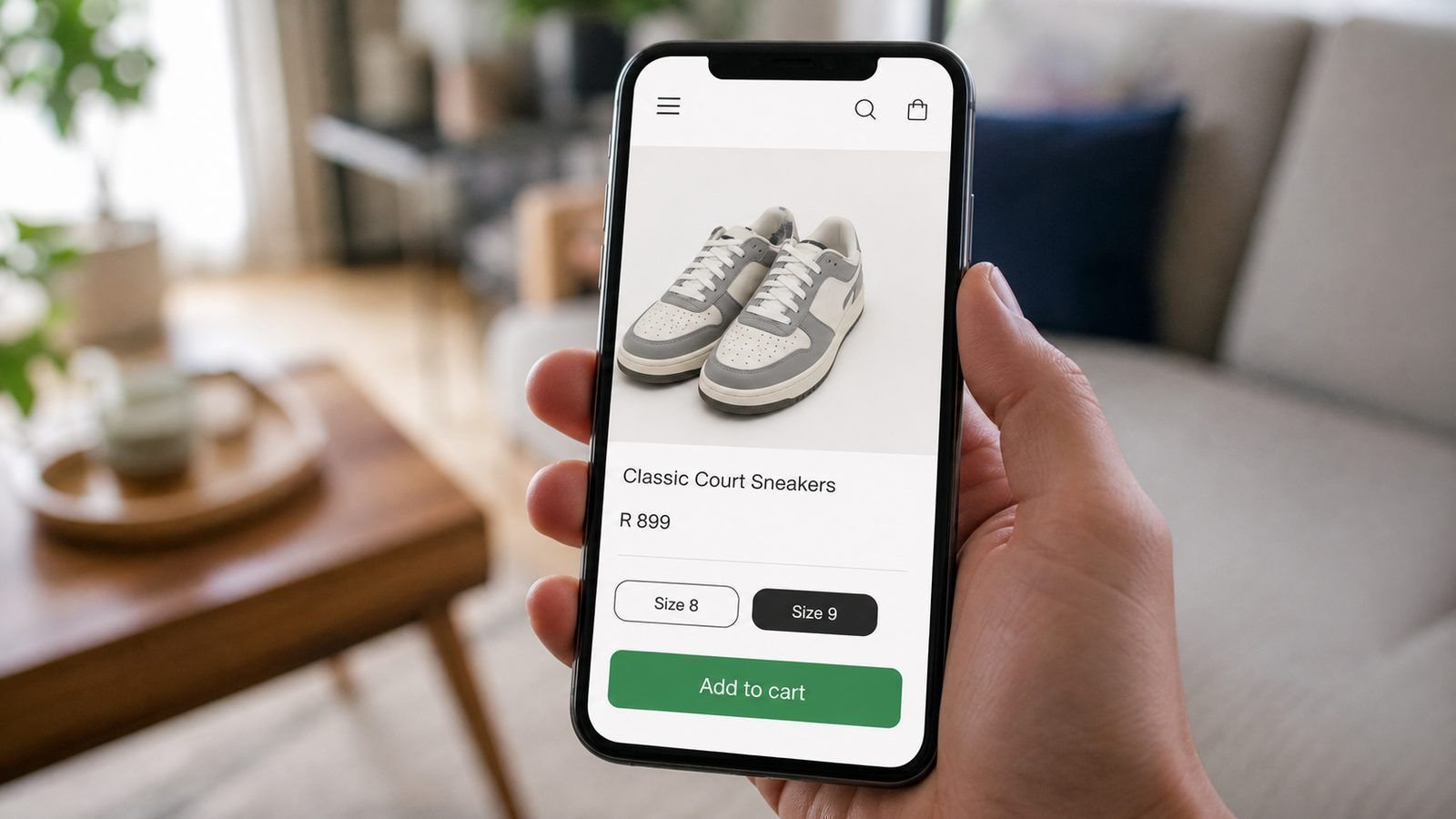
| Is it in stock? | Stock indicator on the product page |
| Can I pay on delivery? | Payment page, listed or explained |
Every unanswered question is a sale that goes to a competitor who answered it. Put the answers where the buyer is standing when the doubt arrives, not in a FAQ nobody opens.
| First 90 days, in order Month 1: pick one channel, list ten products with real photos. Month 2: prove checkout, delivery and returns yourself. Month 3: switch on a small test ad budget and watch cost per order. |
Frequently Asked Questions
Can I sell online without a registered company?
Yes, as a sole proprietor. Registration matters once real money flows — for banking, gateways and credibility.
What should I sell first?
The product with the highest margin and the easiest delivery. Leave heavy or fragile items for later.
The store is live but nobody buys — what is wrong?
Usually traffic, not the store. Bring people from a channel you already have: your existing customers, your social following, your physical shop.
How many products do I need to launch?
Ten, well photographed and properly described. A store that looks complete with ten products beats a hundred listings where half have one blurry photo.
What if a customer wants a refund?
Have the policy written before the first order and follow it every time. Simple, consistent rules on a visible returns page prevent nearly every dispute from becoming an argument.
Open the shop while the demand is there. See online store packages — from R5,500Get my free store quotation |