Hi! Let's unpack hosting bills together — what they cover, what they hide, and what's fair. 🏠
| Quick answer: decent shared hosting runs R80–R400 a month locally; the cheap end slows under traffic, so the middle bracket is the sensible buy. |
Hosting is the least glamorous line on a website invoice and the one that decides whether visitors actually see your site 🔌. It is also the line where the gap between R80 and R400 a month looks arbitrary until you understand what you are renting.
The Three Tiers
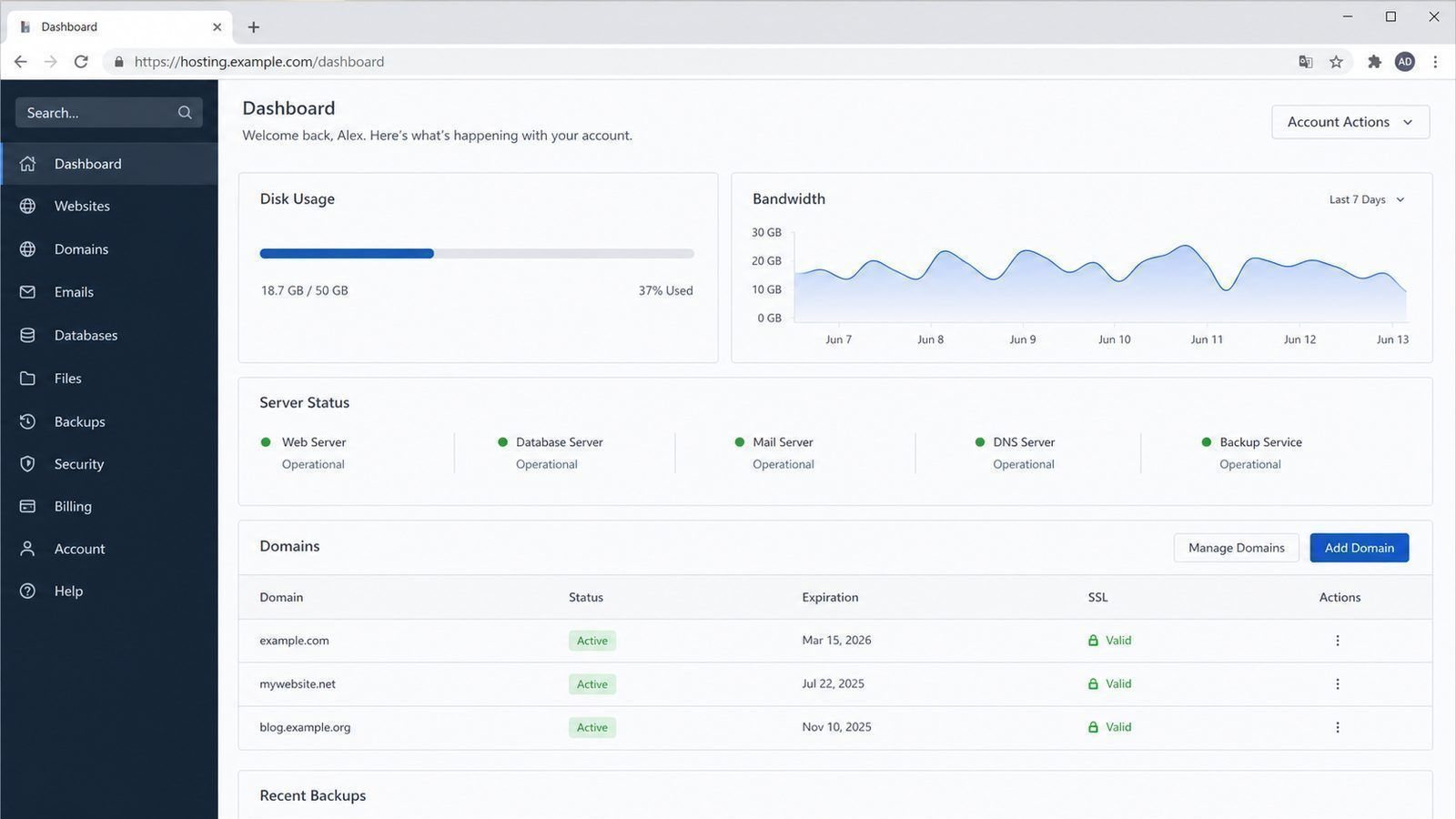
| Tier | Monthly | Handles | Trade-off |
|---|---|---|---|
| Shared hosting | R80 – R150 | Brochure sites, low traffic | Slow neighbours slow you down |
| Business hosting | R150 – R400 | Most small business sites, stores | Costs more per month, rarely breaks |
| Managed / VPS | R400 – R1,500+ | High traffic, apps, bookings | Overkill below real volume |
What You Are Really Buying ⚡
Three things: speed, uptime and someone to phone. Speed decides how many visitors stay; uptime decides whether the enquiries arrive at all; support decides whether a bad night gets fixed by breakfast. Price the support desk honestly — a R90 plan with no support usually costs more the first time something breaks.
Speed Is a Money Question 🧾
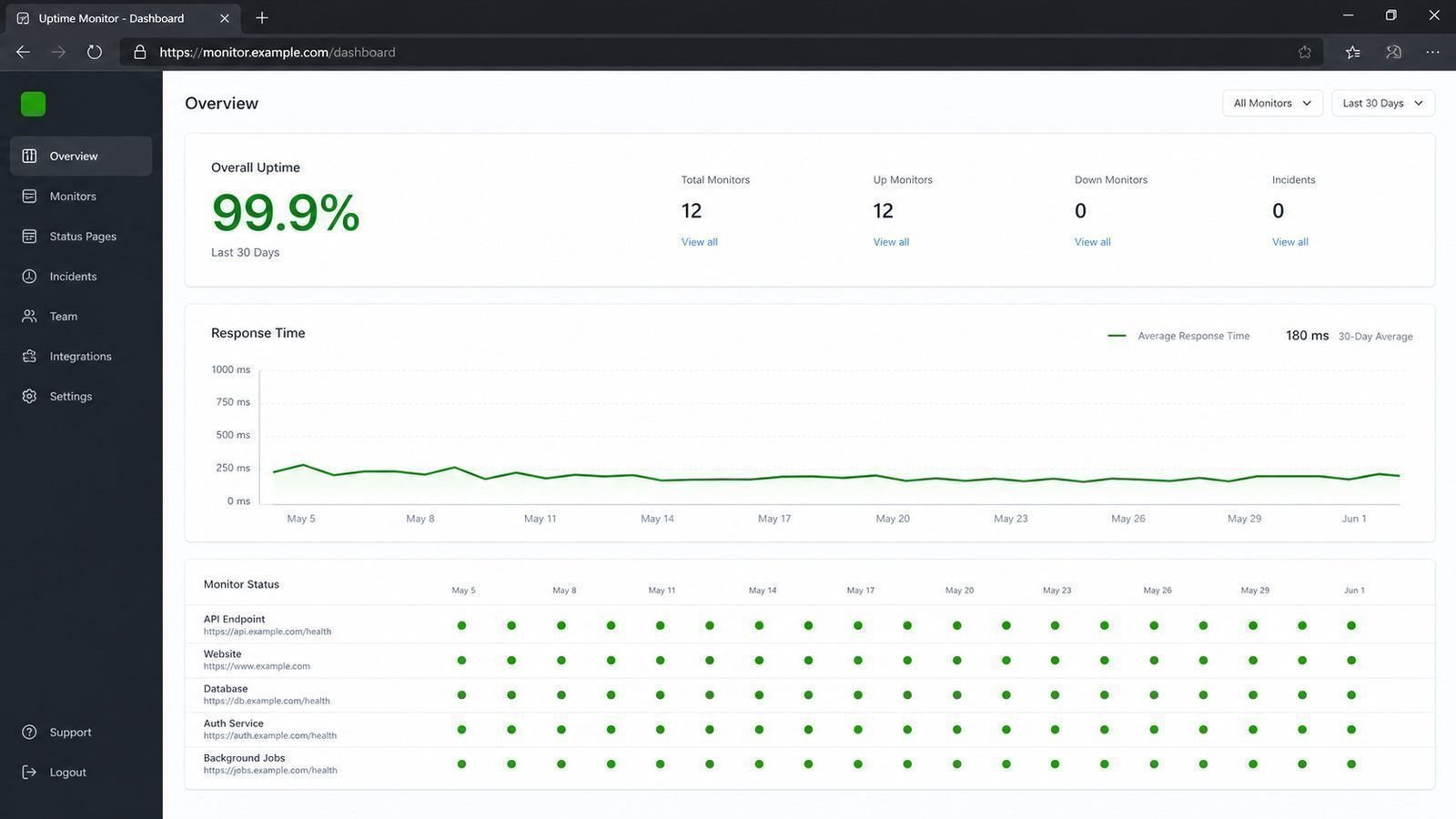
Every extra second of load time costs you visitors, and visitors are the expensive part of marketing. If you spend R3,000 a month on ads and lose a third of arrivals to a slow host, you are paying R1,000 a month for the privilege of keeping the cheap plan.
Backups, Padlocks and Renewals 🧯
- Daily backups: ask where they live and test a restore once
- SSL: usually included — if it is billed separately, that is a red flag
- Renewal pricing: introductory prices jump at renewal; budget the renewal number
- Domain separately: keep it registered in your name


Email Hosting: The Line Nobody Explains
Your website host usually also sends your business email, and this is where cheap hosting hurts in a different way: mails landing in spam. A host with a poor sending reputation can make your quotes and invoices invisible, which is a business problem disguised as a technical one.
If clients regularly say they did not receive something, test it: send to a Gmail address and check the spam folder, then ask your host about their sending setup. Fixing a reputation problem is either quick or worth paying a better host to avoid — but only if you spot it, and the only way to spot it is to ask clients.
When to Move Hosts
Move when load times cross about four seconds on mobile data, when support takes more than a working day to answer, or when the renewal price jumps without the plan improving. Moving is less dramatic than it sounds: your provider should give you the current files and database, the domain follows after a DNS change, and a good host will migrate an existing site for free as part of onboarding.
Two rules for the move itself. Keep the old host running until the new one is tested on a temporary address, and never move hosting and email on a Friday afternoon. The worst that should happen is a quiet evening of propagation, not a weekend of silence.
Reading a Hosting Invoice
Hosting invoices are usually three or four lines, and knowing what each one means stops you paying for things twice. Disk space and bandwidth are the raw capacity. The control panel or management layer is what makes administration bearable. The SSL certificate protects the padlock. Backups are the line that matters most on a bad day.
The trap is duplication: paying for a website builder subscription, a separate hosting plan and a third-party backup service that all partly overlap. Audit once a year, keep two of the three, and put the saving towards faster hosting instead.
What Good Hosting Looks Like
| Watch for | What good looks like |
|---|---|
| Renewal price | Within 10% of the first-year price, published upfront |
| Support | A real answer within one working day, by email or ticket |
| Backups | Daily, automatic, and restorable by you on request |
| Speed | Pages loading in under three seconds on mobile data |
If a plan ticks all four, it is worth its price. If it fails two, the rand you save each month will be paid back to a developer with interest.
| Five-line host checklist Local support hours, in writing. Daily backups, listed. Free SSL included. Migration help offered. Renewal price shown upfront. Five lines, no jargon — any host that hedges on one of them is telling you something. |
Frequently Asked Questions
Can I host a website for free?
Free tiers exist for blogs and tests. For a business site, the costs are speed, support and limits on what the site can do — usually not a saving.
Do I need South African hosting?
Local servers can improve speed for local visitors, but a well-run host in Europe or the US can beat a poorly-run local one. Judge by speed and support, not by flag.
What happens if my host disappears?
You lose the server, not your business — if your domain and backups are in your own accounts. Keep both, always.
Does cheap hosting damage search rankings?
Slow hosting does. Search engines measure how quickly your pages answer, and a sluggish shared server drags that number down across the whole site. Before blaming content or keywords, test your own homepage on mobile data — if it hesitates, a hosting upgrade is often the cheapest SEO work available.
Is it worth paying for a local host?
Sometimes. A South African host can serve local visitors a little faster, but only if it is well run. Compare by measuring, not by flag: load your own site from a phone on mobile data and see which host of two equivalents feels quicker.
Do I need hosting if I use a site builder?
Usually included in the subscription, which is convenient and also the lock-in. Check what export options exist before you spend years building inside a platform that cannot be moved.
Your website could be bringing in enquiries next month. See website prices — from R2,000Get my free website quotation |