Hi! Let's launch your store the smart way — each step in order, nothing skipped. 📊
| Quick answer: launch in order: products, payments, delivery, then traffic; stores that advertise before checkout works simply buy complaints faster. |
Starting a store is a sequence problem 1️⃣. Do the eight steps in order and you can be selling within two weeks; do them out of order and you will spend that fortnight choosing a logo.
The Eight Steps
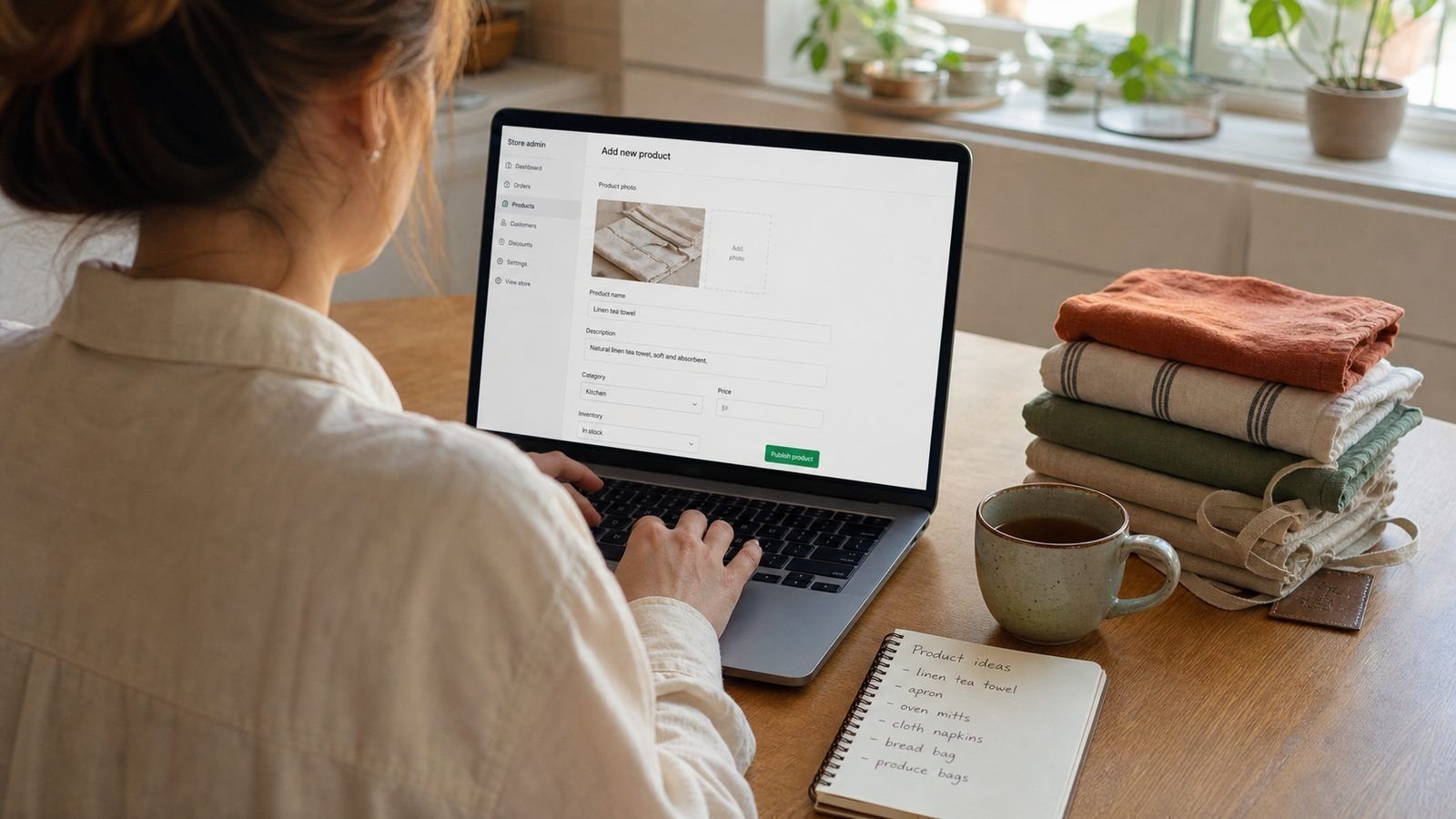
1. Pick ten products, not a hundred. Choose what you can source reliably and ship without drama. Ten good products beat a catalogue nobody can fulfil.
2. Photograph them properly. Daylight, plain background, four angles each, taken on a phone. This is the highest-return hour you will spend.
3. Write the titles the way customers type them. Name, size, colour, material — the words a buyer would use, not your internal product codes.
4 – 6: The Plumbing 🧭
| Step | What to decide | Typical cost |
|---|---|---|
| Store platform | Hosted platform versus custom build | R150 – R1,500 / month |
| Payments | Card, instant EFT, buy-now-pay-later if available | About 2% – 3.5% per sale |
| Delivery | Locker, door, collection — and who pays returns | Per parcel |
7: Content and Policies 📦
Write four short pages: delivery times, returns, contact and a simple FAQ built from the questions your friends asked you. Then check the whole store on a phone, on mobile data, as a stranger would.
8: Launch and Measure 🚀
Launch to your existing audience first — current customers, your social following, your own contacts. Track three things for the first month: visits, orders, and the questions people ask before buying. The questions are your next month’s work 🎯.

Week One and Week Two, Planned
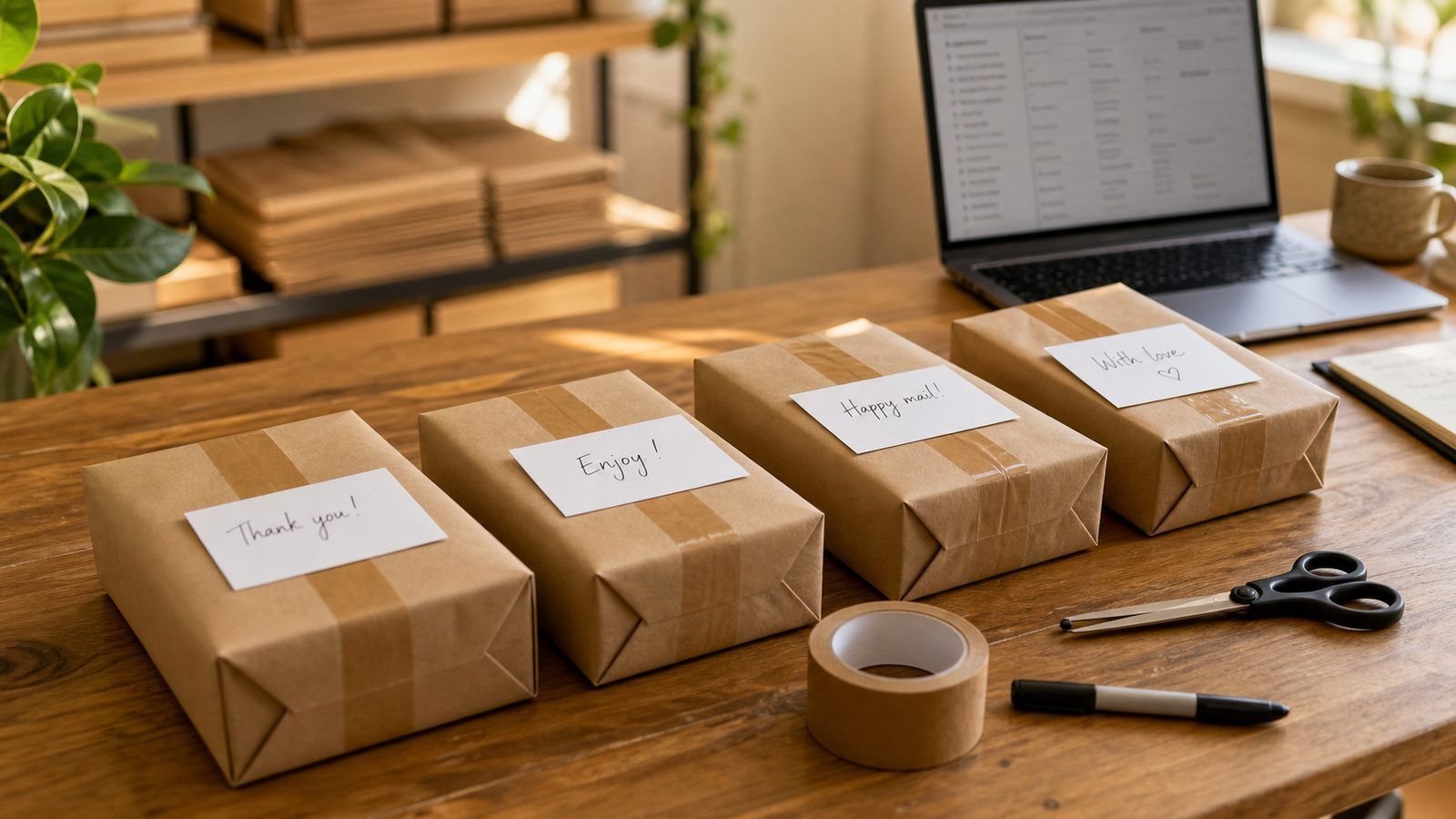
Week one: choose ten products, photograph them in daylight, write titles the way customers type them, and open the payment and courier accounts. Week two: build the store, load the products, write the delivery and returns pages, test the full checkout on two phones, and tell everyone you know that the shop is open.
That schedule is deliberately unambitious. The businesses that take three months to launch usually lose the first month to design decisions that do not affect a single sale, while a plainer store that opened in ten days has already learnt which products people actually buy.
Ten Questions to Answer Before Launch
Who pays for delivery and how much is it? What happens when a parcel is returned? How long until dispatch? Do you accept collections? What are your hours for answering messages? Who writes the product descriptions? What happens when stock runs out mid-order? Which payment methods do your customers actually use? What is the returns window? And what is the one product you would bet the first month on?
Answer those ten in writing on the site and you will have removed almost every reason a first-time buyer hesitates. Most of them are not technical; they are just decisions nobody made until a customer asked.
Launch Week, Day by Day
Day one: open the payment and courier accounts. Day two: write the product titles and descriptions. Day three: photograph and edit the images. Day four: load products and set delivery rules. Day five: build the checkout, test with a real card for a small amount, then refund it. Day six: send the store to ten people you trust and watch them use it while you say nothing. Day seven: fix what confused them and open to everyone.
A week is enough for a first store. The business that takes three months is not being careful — it is delaying the only feedback that matters, from people who are trying to give you money.
Settings You Must Get Right Before Day One
| Setting | The risk if you skip it |
|---|---|
| Delivery zones and fees | Undercharging on every order |
| Return policy | Disputes you cannot win |
| Stock levels | Selling items you do not have |
| Tax settings | Paperwork you have to redo |
| Contact details and hours | Buyers who cannot reach you |
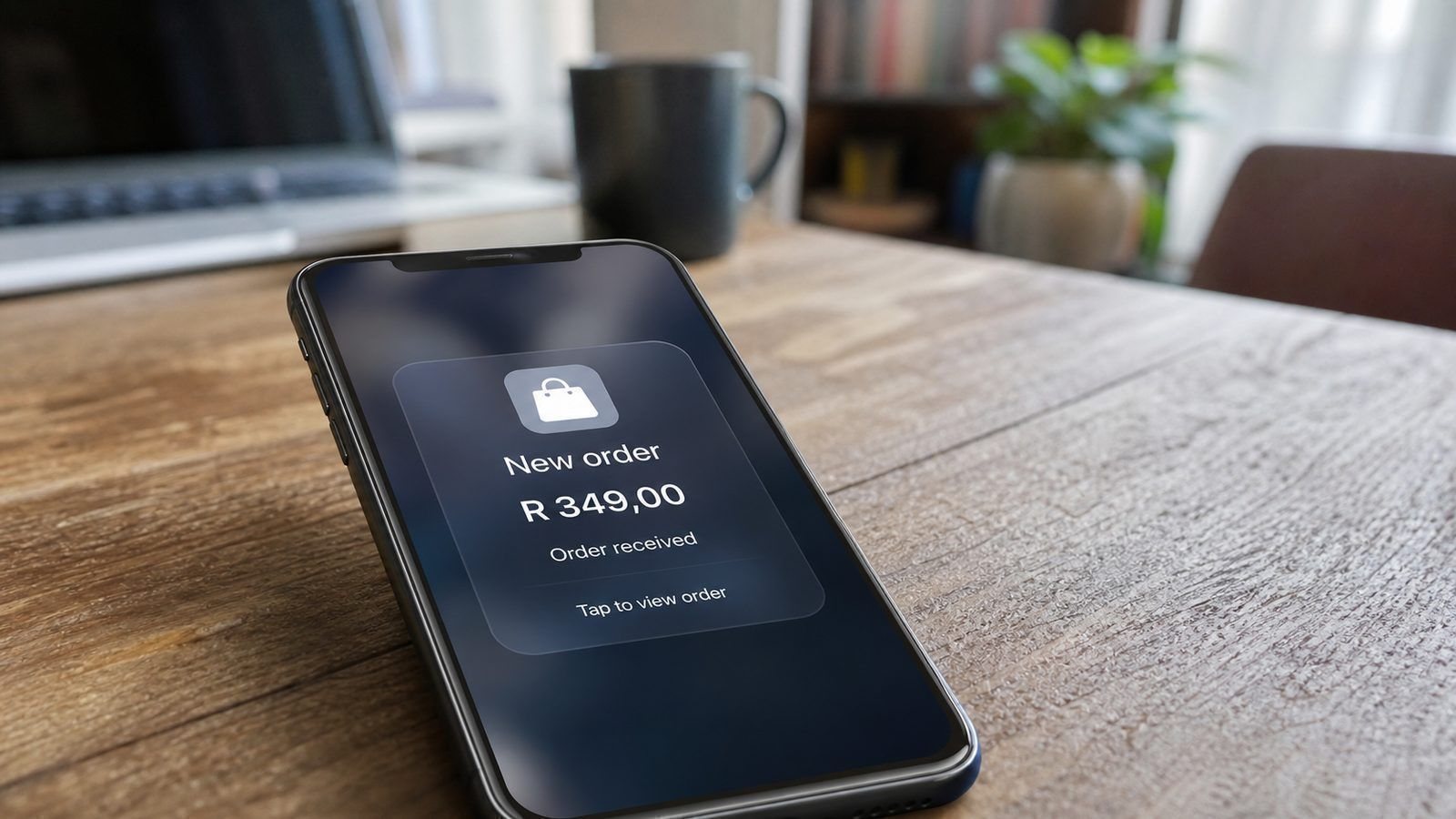
| Order notifications | Orders nobody hears about |
Six settings, most of them in one afternoon, and all of them cheaper to fix before the first order than after the tenth.
Your First Ten Customers
Nobody buys from a store they have never heard of, and the platform will not solve that. The first ten customers are personal work: message everyone who has ever bought anything from you privately, ask each of them to tell one person, post in three community groups where your buyers actually are, and hand the store link to every supplier you deal with.
Take a photo of the first parcel before it goes out and ask the buyer for a short review. One real review is worth more than a week of posting, because it answers the question every new visitor asks: has anyone actually received anything from this shop?
Ten customers is not a milestone on the way to a thousand — it is the evidence that the offer works. Everything after that is scaling, not hoping.
Frequently Asked Questions
Do I need a business bank account?
It makes life easier, but you can start with a personal account and separate records. Split them as soon as money is moving.
What kills new stores fastest?
Silence after launch. Budget time or money for traffic from day one.
Can I sell on social media without a store?
Yes to start, but a store exists so that the sale does not depend on one platform’s rules — or on how fast you reply at midnight.
Do I need professional photos to start?
No — daylight, a plain wall and four angles per product outperform most homemade attempts. Upgrade the top sellers professionally once you know which ones they are.
How soon should I start ads?
After the first organic orders prove the checkout works and delivery promises hold. Advertising to a broken process simply buys complaints faster.
Open the shop while the demand is there. See online store packages — from R5,500Get my free store quotation |